
Quick answer: Tyvek envelopes are best for documents, photographs, small electronics, jewelry, and lightweight clothing items. The DuPont HDPE fiber construction resists tearing, moisture, and rough postal handling better than any paper envelope. Avoid sending heavy or sharp objects, liquids, or items requiring rigid support. Choose the right size (6x9, 9x12, 10x13, or 10x15) based on the content dimensions.
Wondering how to mail important documents? Sending important documents or items through the mail can be a nerve-wracking experience. Whether you're sending something valuable or fragile, you want to ensure it arrives at its destination safely and securely.
That's where Tyvek envelopes come in. Made from high-density polyethylene fibers, these envelopes are tough, durable, and moisture-resistant, often considered the best way to mail important documents, making them an excellent choice for mailing various items.
But what should you send in a Tyvek envelope?
Tyvek envelopes are suitable for sending lightweight items like documents, photos, and small objects. Avoid sending heavy or sharp things and materials that may leak or spill.
In this article, we'll explore the different types of items suitable for sending in a Tyvek envelope and some tips and tricks for using them effectively.
What Makes Tyvek Envelopes Different from Paper Envelopes
Before choosing what to send in a Tyvek envelope, it helps to understand why Tyvek protects better than paper. Tyvek is a registered trademark of DuPont, manufactured through a flash-spinning process that bonds high-density polyethylene (HDPE) fibers together using heat and pressure rather than glues or binders.
The result is a non-woven sheet with no grain direction, no paper cellulose fiber that absorbs water, and no structural weak points at the corners or seams. A paper envelope softens when wet and tears along the grain. Tyvek's HDPE fiber repels moisture and has no grain axis to propagate a tear. The material that arrives looks the same as the material that was sent , regardless of weather, humidity, or rough postal handling along the way.
At 14 lb stock weight, Tyvek envelopes are roughly half the weight of standard 24 lb paper envelopes. That lighter weight reduces postage costs on high-volume programs and keeps the total piece weight lower at every ounce bracket. For the complete breakdown of Tyvek benefits, see Benefits of Tyvek Envelopes: Durable, Secure and Eco-Friendly.
What Should You Send in a Tyvek Envelope: The Top Choices
- Documents: Whether you're sending legal documents, contracts, or other important paperwork, a Tyvek envelope is an excellent choice. These envelopes are tear-resistant, so you can rest assured that your documents will arrive in the same condition as they were when you sent them.
- Photos: A Tyvek envelope is a great option if you're sending photographs or other precious memories. These envelopes are water-resistant and dust- and dirt-resistant, so your photos will stay safe and secure during transit.
- Small Electronics: If you're sending small electronic devices like USB drives, SD cards, or portable hard drives, a Tyvek envelope is an excellent choice. These envelopes offer excellent protection against moisture, dust, and dirt, making them perfect for keeping your electronics safe during transit.
- Jewelry: If you're sending valuable jewelry or other small, precious items, a Tyvek envelope is a great way to ensure they arrive at their destination safely. These tear-resistant envelopes offer excellent protection against water and other elements that could damage your jewelry during shipping.
- Clothes: You can ship clothes in a Tyvek envelope. If you send small items like socks or t-shirts, consider using shipping envelopes for clothes for added convenience and protection.
However, there are some things you should keep in mind.
★★★★★
"I love these for mailing brochure packages out to our clients. They get to their destination looking good and staying intact. I used to use regular envelopes and they would arrive with a tear or worse. Very worth the investment."
B. Ram | Verified buyer, 10x13 Tyvek Envelopes Peel and Seal Tear Resistant Waterproof Open End
Source: businessenvelopes.com product reviews
What Types of Clothes Can You Ship in A Tyvek Envelope?
As mentioned earlier, Tyvek envelopes are best suited for lightweight and non-bulky clothing items. Some examples of mailing used clothes or new clothes items that you can ship in a Tyvek envelope include:
- T-shirts
- Underwear
- Socks
- Leggings
- Tank tops
- Dresses
- Scarves
For more on how Tyvek resists moisture and how that protects contents in transit, see Are Tyvek Envelopes Waterproof? Key Facts and Benefits.
Best Practices for Shipping Clothes in a Tyvek Envelope
If you're planning to ship clothes in a Tyvek envelope, here are some best practices to follow:
- Fold the clothes neatly: Fold them neatly before packing them in the envelope. This can help prevent wrinkling and creasing during transit.
- Use tissue paper: To provide extra protection and prevent wrinkling, wrap the clothes in tissue paper before packing them in the envelope.
- Seal the envelope properly: Make sure to seal the envelope properly using packing tape or an adhesive strip. This can help prevent the clothes from falling out of the envelope during transit.
- Label the envelope: Make sure to label the envelope with the recipient's address and your return address. This can help ensure that the package reaches its intended destination.
- Consider adding insurance: If you're shipping valuable clothing items, you may want to add insurance to your package. This can help protect your items in case they get lost, damaged, or stolen during transit.
- Check with the shipping carrier: Before shipping clothes in a Tyvek envelope, make sure to check with the shipping carrier to ensure that they accept this type of packaging for clothing items. Some carriers may have restrictions or guidelines that you need to follow.
For a complete overview of what Tyvek envelopes are and how they are constructed, see What Is a Tyvek Envelope? Benefits, Uses and Features.
What Should NOT Be Sent in a Tyvek Envelope
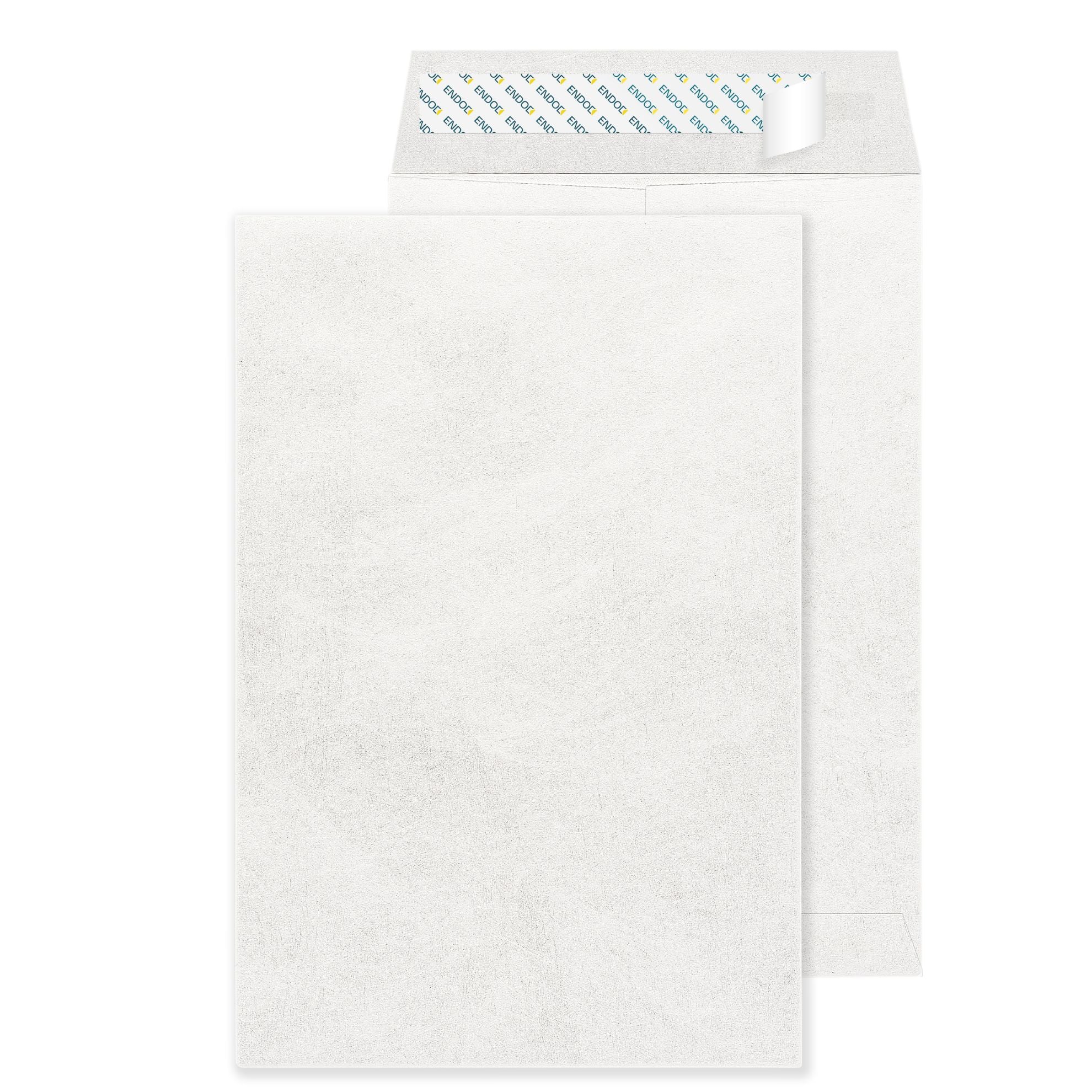
Tyvek envelopes are not suited for every mailing. Knowing what to avoid is as important as knowing what they protect well.
- Heavy or bulky items: Tyvek envelopes are designed for flat and lightweight contents. Items too heavy or thick for the envelope to close cleanly will stress the adhesive strip and may open in transit.
- Sharp objects: Points, blades, or anything with a hard edge can puncture Tyvek from the inside when the envelope is compressed during sorting. Use a rigid mailer or box for anything with sharp edges.
- Liquids or gels: Tyvek resists external moisture well but is not a watertight container. Do not send liquids, creams, or gels that could leak inside the envelope.
- Fragile items requiring rigid support: Tyvek offers no rigidity. Items that can break if the envelope bends, such as glass, ceramics, or framed prints, need a rigid mailer or box with cushioning.
- Food items: Tyvek does not carry food-grade certifications. Do not use it for food packaging that requires direct contact with edibles.
Which Tyvek Envelope Size Should You Choose
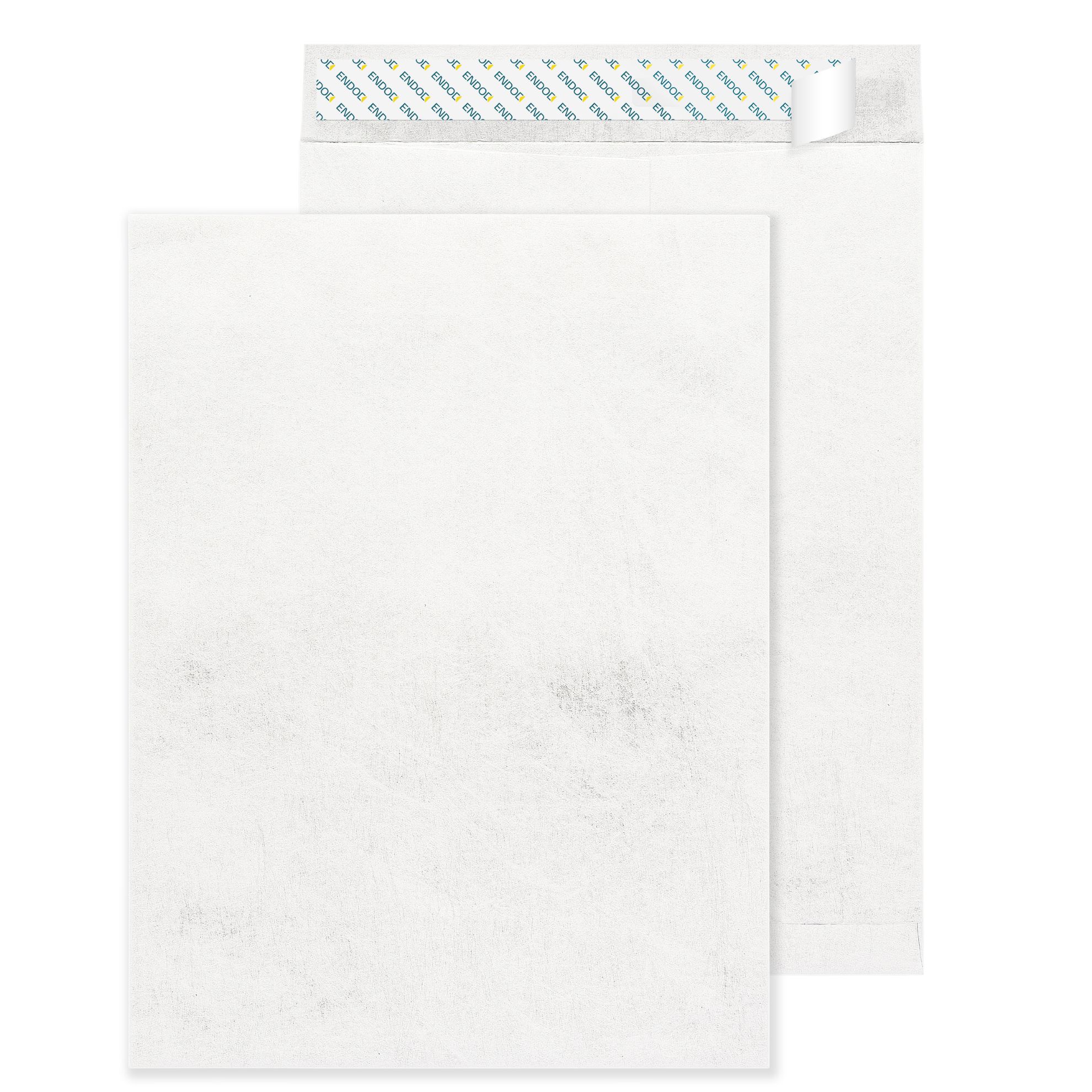
Matching the envelope size to the content is the first practical step after deciding to use Tyvek. All four sizes use genuine DuPont Tyvek material with Kwik-Tak peel-and-seal closure.
| Size | Interior Clearance | Best For |
|---|---|---|
| 6 x 9 | 5-3/4 x 8-3/4 inches | Photos, jewelry, small documents, compact clothing items, USB drives |
| 9 x 12 | 8-3/4 x 11-3/4 inches | 8.5x11 flat documents, contracts, certificates, medical records |
| 10 x 13 | 9-3/4 x 12-3/4 inches | Legal-size 8.5x14 flat, thick packets, brochure packages, presentation folders |
| 10 x 15 | 9-3/4 x 14-3/4 inches | Oversized flat documents, drawings, calendars, architectural prints |
★★★★★
"Great quality, useful size"
Letter-Bug | Verified buyer, 6 x 9 White Catalog Tyvek Envelopes Peel and Seal
Source: businessenvelopes.com product reviews
See the complete range at Tyvek envelopes.
How to Ensure Your Items Arrive Safely in A Tyvek Envelope

To make sure your items arrive safely in a Tyvek envelope, consider the following tips:
- Choose the right size envelope: Make sure to choose an envelope that's the appropriate size for your item without folding or bending it. This will help ensure your item stays in good condition during transit. See the full selection of sizes at Tyvek envelopes.
- Add extra protection if needed: Consider adding bubble wrap or other cushioning materials to protect fragile items. This can help prevent damage during shipping.
- Use a reputable shipping provider: Make sure to use a shipping provider with a good reputation for reliability and on-time delivery. This can help ensure your envelope arrives at its destination safely and on time.
By following these tips, you can ensure your Tyvek envelope is sealed and labeled properly, and your items arrive safely and securely.
Why Business Envelopes for Tyvek Envelope Orders
Business Envelopes has supplied Tyvek envelopes to law firms, healthcare facilities, government agencies, and businesses across the United States since 1997. Every Tyvek format uses genuine DuPont Tyvek material with Kwik-Tak peel-and-seal closure, available blank or with custom logo and return address printing.
- No minimums on any order
- Free ground shipping to the contiguous 48 states on every order
- Blank stock ships same or next business day
- All four sizes stocked: 6x9, 9x12, 10x13, 10x15
- Custom-printed orders ship within 7 to 10 business days from proof approval
Conclusion
In conclusion, Tyvek envelopes are a versatile and durable option for mailing a variety of items. Whether you're sending important documents, precious photos, or valuable jewelry, a Tyvek envelope can help ensure your items arrive safely and securely at their destination.
Remember to choose the right size, seal properly, label clearly, and consider additional protection for fragile items. With these tips and tricks, you can use Tyvek envelopes effectively and confidently for all your mailing needs.
Visit Tyvek envelopes at Business Envelopes to shop the full range with free ground shipping and no minimum order.